STRATEGY
E, then A, R, I, O
In the main entries of the Concise Oxford Dictionary, E is the most common letter, at about 11 per cent, followed by A, R, I and O.
Try the letter check doodlehangman
THE WORD GAME, EXPLAINED
Hangman looks like luck. It is mostly letter counting.
Pick a letter
E FIRSTthen A, R, I, O
Some letters turn up far more often in English words than others. Knowing which ones, and that dictionary words differ from everyday text, turns blind guessing into a plan.
At a glance
11.16%
Share of letters that are E
In the main entries of the Concise Oxford Dictionary, about one letter in nine is E. In a sample of 40,000 words of running text counted by Cornell University, E makes up 12.02 per cent.
DICTIONARY WORDS · NOTRE DAME
56.88×
How much more common E is than Q
Taking Q as 1, E scores 56.88 in the dictionary count. Q, J, Z and X each make up less than a third of one per cent of letters.
E AGAINST Q · NOTRE DAME
TWO NUMBERS WORTH KNOWING
One figure for the commonest letter,
one for how far ahead of the rarest it sits.
The Notre Dame page points out that word games care about the vocabulary of words, not running text, which is dominated by a small number of very common words. That is why T, so common in everyday text, slips to sixth in the dictionary.
A QUICK LETTER CHECK
Pick a letter to see how often it appears in English dictionary words. The bar shows how good a bet it is as an early guess.
Figures are for the main entries of the Concise Oxford Dictionary (9th edition, 1995), as published by the University of Notre Dame.
THE SHORT ANSWER
The game rewards knowing English.
Three things worth knowing before you play.
STRATEGY
In the main entries of the Concise Oxford Dictionary, E is the most common letter, at about 11 per cent, followed by A, R, I and O.
Try the letter checkHISTORY
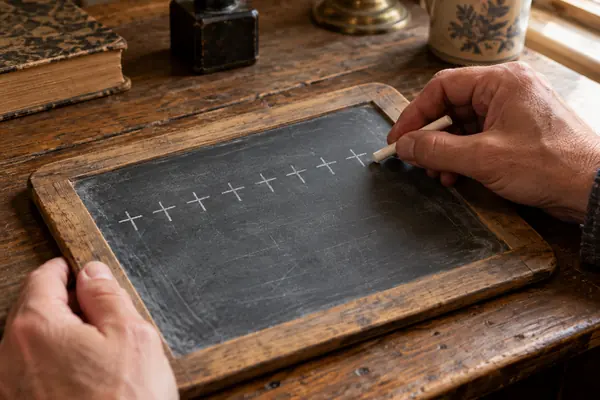
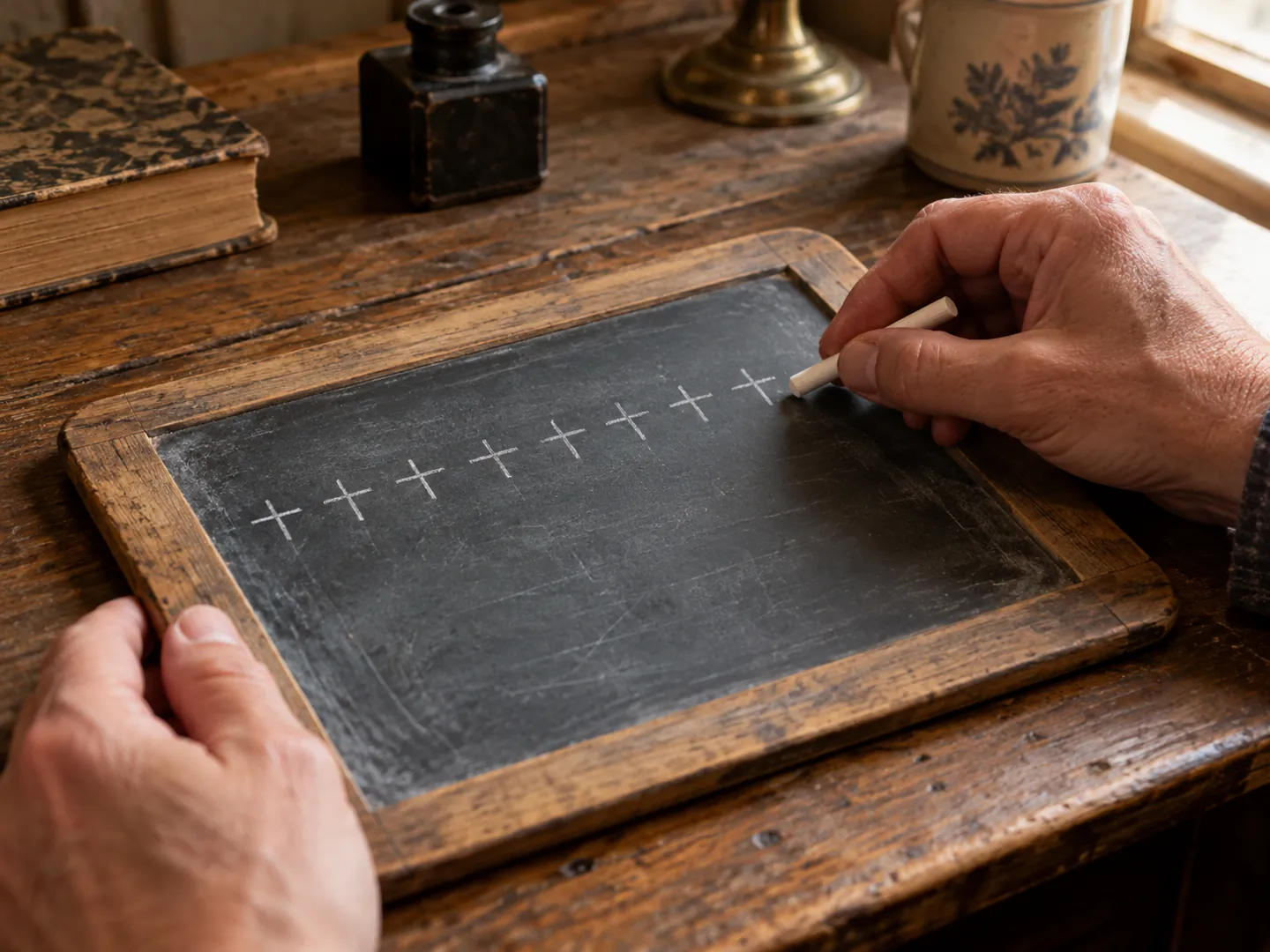
In 1894 Alice Gomme recorded Birds, Beasts, and Fishes, a slate game where players guessed a name from its first and last letters and a row of crosses.
Read the old rulesCLASSROOM
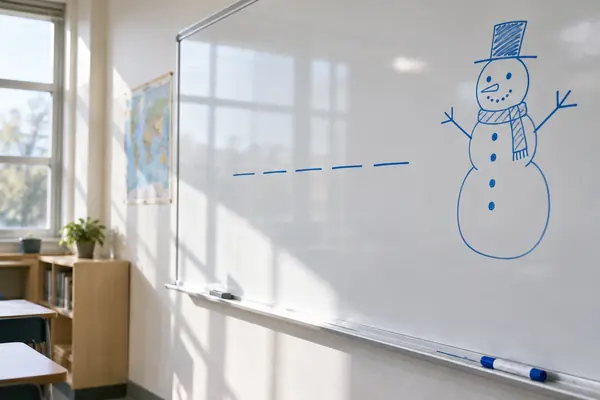
Some teachers swap the gallows for a disappearing snowman, a spider or a mouse climbing to cheese, keeping the same guessing game.
Ways to play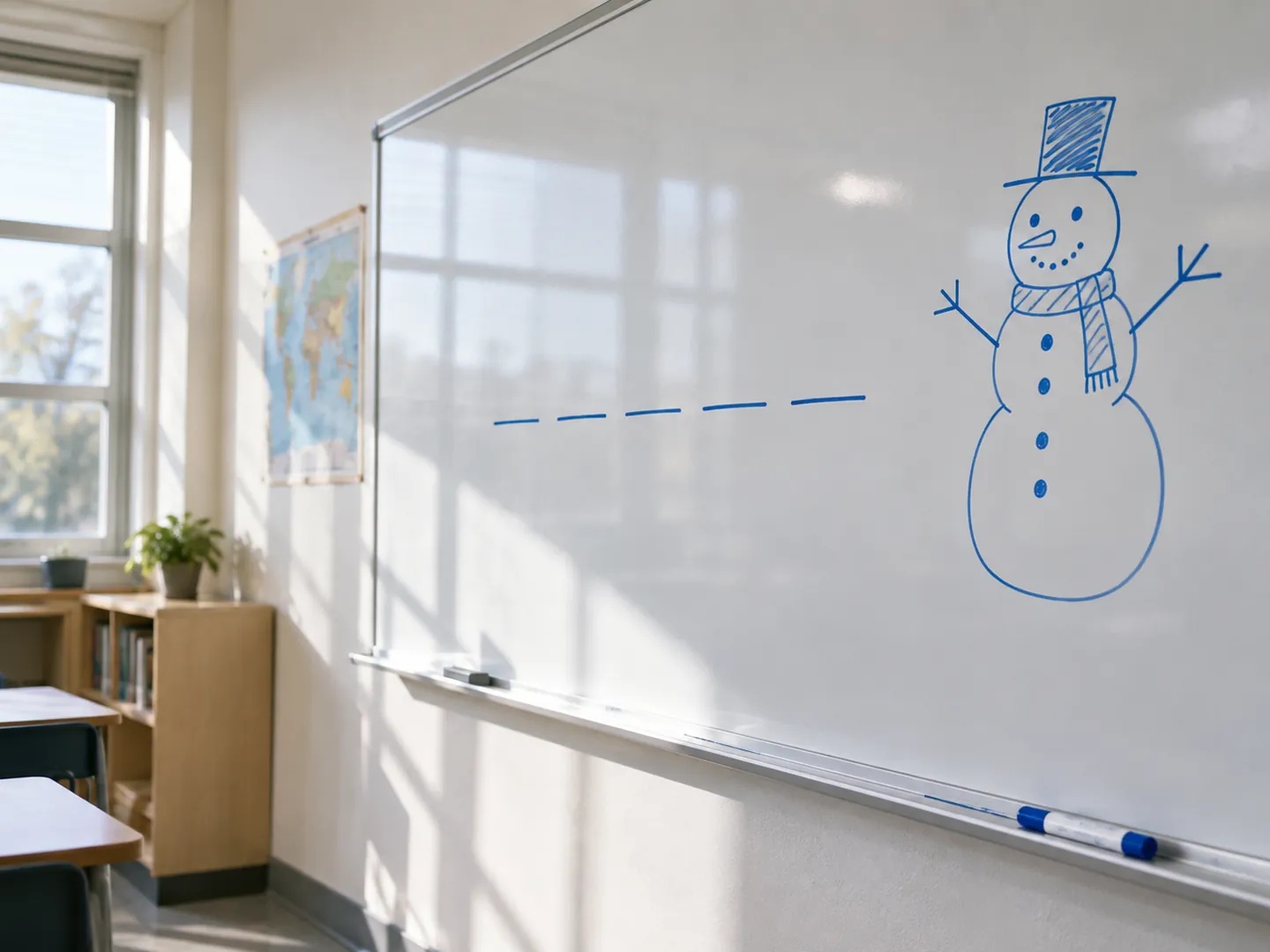
FOUR WAYS TO PLAY BETTER
Whether you are guessing or setting the word, a little letter sense makes the game fairer and more fun.
It is the commonest letter in dictionary words, so it is the safest first guess.
These come next in the dictionary count. Vowels also show you the shape of the word.
Once a few letters are in place, think of real words that fit before guessing rarer letters.
For younger players, draw a snowman that disappears or a spider on a web. Teachers can set the number of guesses to suit the age and word length.
AN 1894 SLATE GAME
In The Traditional Games of England, Scotland, and Ireland (1894), Alice Bertha Gomme describes Birds, Beasts, and Fishes, a slate game from Barnes. One player writes the first and last letters of an animal's name with crosses for the letters between, and says whether it is a bird, beast or fish.
The others guess in turn. The first to succeed scores as many marks as there are crosses, then sets the next word. If nobody guesses it, the writer takes the marks. The game is won when a player reaches an agreed score.
Questions
E. In the main entries of the Concise Oxford Dictionary it makes up 11.16 per cent of letters, more than any other. A, R, I and O come next.
E, A, R, I and O, then T, N, S, L and C. That is the order of the ten most common letters in the main entries of the Concise Oxford Dictionary, as published by the University of Notre Dame, which notes that for word games a count of dictionary words is often more useful than one of running text. U comes next, and Q, J, Z and X are the rarest.
T is the second most common letter in running text, which is dominated by a small number of very common words. In the dictionary count of distinct words it comes sixth, behind E, A, R, I and O.
Merriam-Webster describes it as a game in which one player tries to guess the letters of an unknown word before the player who knows it draws a stick figure, one line for each wrong guess.
There is no fixed number. In the Oxford definition, each wrong guess adds one part to the drawing and the guessers must find the word before the drawing is complete, so the number of misses allowed depends on how many parts the drawing has. Correct guesses never add to the drawing.
Guessing games of this kind go back at least to the 1890s. Alice Gomme recorded Birds, Beasts, and Fishes in 1894, where a name was written as its first and last letters with crosses in between.
Teachers quoted by Teach Starter say they cannot know every child's background, and some worry the gallows picture could upset pupils. Swaps include a disappearing snowman, a spider on a web and a mouse climbing to cheese.
Sources
ABOUT THIS NAME
doodlehangman.com is part of the DoodleSale portfolio. It isn't in an auction right now, but you can ask about leasing it.